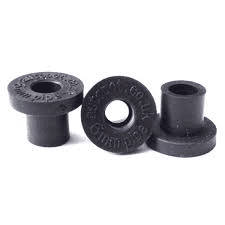

What Is Anodizing?
In manufacturing, aluminum is a lightweight and cost-effective material to work with. However, it sometimes lacks the durability or corrosion resistance that an application demands. Anodizing offers a potential solution to these challenges. It is an electrochemical process that adds a protective oxide layer to the surface of aluminum components. This allows for consistent and high-quality results and can meet even the most demanding requirements.
During the anodizing process, an aluminum part is immersed in an electrolyte solution and then subjected to an electric current. This causes oxygen ions to react with particles on the metal’s surface, creating a metallic oxide layer that improves hardness, corrosion resistance, wear and abrasion resistance, and durability. In addition to these performance benefits, the finished surface also readily accepts colored dyes, paint, and adhesives for a more attractive and functional finished product.
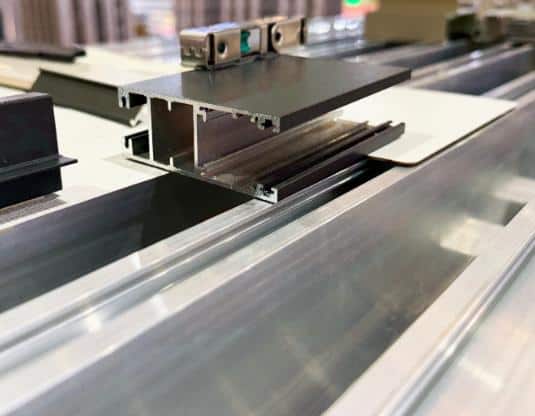
Types of Anodizing Services We Provide
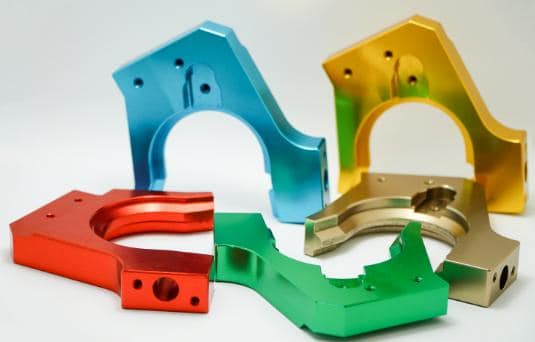
As a trusted leader in anodizing services, Saporito offers several anodizing techniques, including hardcoat, sulfuric, and chromic anodizing, as well as bright dip anodizing. Each of these techniques use different parameters to achieve various thicknesses and other properties in the oxide layer.
-
Hardcoat

Also known as hard anodizing, hardcoat anodizing is designed to improve aluminum’s wear and abrasion resistance, heat resistance, and corrosion resistance. The process uses a sulfuric acid solution chilled between 28-34 degrees F to form an oxide layer that penetrates the base metal in a ratio equal to the buildup along the surface. The result is a thick coating that generally ranges between .001 and .003 inches (1 to 3 mils), and can be thicker if needed to meet application-specific needs.
The finished hardcoat color ranges from light tan to near black, depending on the alloy used and its thickness. Our hardcoat anodizing service provides good corrosion resistance and over 10 times the wear resistance of ordinary anodized aluminum. For applications that require extreme abrasion resistance, hard anodized components should not be sealed, as some softening will occur. However, when enhanced corrosion resistance is the goal, we recommend sealing parts with a nickel acetate or dichromate seal.
-
Sulfuric
This method involves submerging the aluminum component in a sulfuric acid electrolyte bath maintained typically between 68 and 72 degrees F, creating an oxide layer that is uniform in thickness and ranges in color from clear to light grey depending on alloy and thickness.
Wrought alloy sulfuric anodized parts can be dyed different colors for aesthetics and identification purposes. Pretreatments such as bright dipping and etching can enhance the appearance as well. Sulfuric anodizing also delivers improved corrosion resistance and wear resistance, electrical resistance, and dielectric strength since the oxide layer is non-conductive.
Sulfuric anodizing can be used to provide stable, long-lasting results for a range of applications. Sulfuric anodized parts are also known to withstand extended exposure to neutral salt spray, according to ASTM B117. Sulfuric anodizing creates a thinner coating compared to hard anodizing (Type III), with the exact thickness depending on the duration of the anodizing process and other factors. Certain alloys and castings can only achieve limited thickness due to the alloying constituents of the metal, such as copper and silica. Anodizing can also be done for aesthetic purposes, as well and is available in multiple colors, including clear.
-
Chromic
Chromic anodizing uses chromic acid as the electrolyte, creating a thin, corrosion-resistant coating. Due to its properties, chromic anodizing is typically used for aerospace parts. It is the finish of choice for aluminum parts designed for high fatigue strength due to the self-limiting nature of the process. The coating is always thin and cannot be over-anodized, which would compromise the fatigue strength of the part and increase the chance of stress corrosion cracking. Chromic acid anodizing may also be used as an excellent base for subsequent coatings such as paints, CARC’s, and powder coating.
Chromic anodized surfaces are able to withstand prolonged exposure to salt spray in testing per ASTM B117. Chromic anodized parts are more challenging to dye than sulfuric anodized parts. The finished coating is functional and not aesthetic, varying in color from light gray to dark gray, depending on the specific alloy.
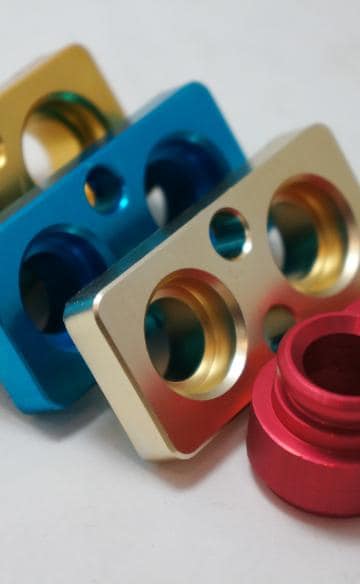
Key Benefits of Anodizing Aluminum Components
The durable oxide layer created during the anodizing process provides long-lasting protection with little required maintenance. Anodized components will not flake or peel and can be easily cleaned with water to maintain luster. In addition to its numerous performance benefits, anodizing also creates an aesthetically pleasing surface by reducing color inconsistencies and signs of wear caused during fabrication.
Some of the biggest benefits of this affordable finishing method include:

Improved wear resistance
Anodizing improves the surface hardness of aluminum, reducing the likelihood of abrasion and wear.

Improved corrosion resistance
The durable oxide layer that anodizing creates provides added protection against environmental degradation.

Electrical resistance
The resulting oxide layer provides electrical insulation properties, making anodizing ideal for electrical housings and components that require minimal conductivity.
Custom Anodizing Solutions: Dyed and Masked Finishes
In addition to our standard anodizing services, Saporito also offers a range of custom choices for our customers, including many colors (black, blue, green, red, yellow, gold, and grey) and masked finishes to match your project’s aesthetic goals or branding. Saporito uses only UV-stable dyes to offer exceptional light fastness for outdoor applications.
Masking involves selectively coating hardware to ensure that only certain portions are anodized. We use a variety of masking materials to protect your components, including:
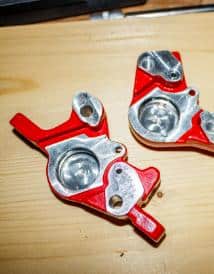
Paint
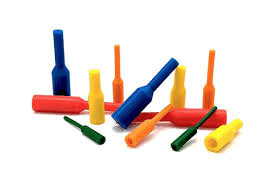
Plugs
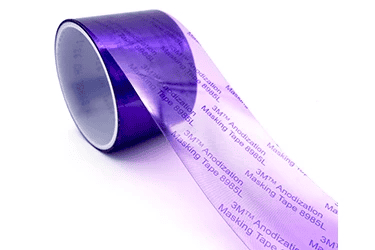
Tapes